An HSA a tax-favored savings account that is utilized in mix with a high deductible health insurance coverage strategy. The cash in the account helps pay the deductible along with any other eligible medical expensesincluding coinsurancethat may not be covered by the strategy once the deductible has been fulfilled. An HSA is comparable to a specific retirement account (Individual Retirement Account), because it too can be bought a range of investment cars, while accumulating tax-free interest.
The list below requirements need to be satisfied: Minimum deductible: $1,250 individual; $2,500 household Out-of-pocket maximum (consists of deductible): $5,000 individual; $10,000 TIME-SHARECANCEL-LATIONS family No services spent for prior to meeting deductible (except for preventive care) No deductible needed for preventive look after household coverage: household deductible needs to be met before any reimbursement can be made No prescription drug copayments Higher limitations enabled for non-participating company services.
,, what? Typical health insurance terms you need to know, but nobody ever discussed. Prior to you can choose the finest health insurance strategy for yourself, your family or your company, you require to acquaint yourself with some typical medical insurance terms. Below is a glossary of typically used healthcare terminology in the insurance market.
Let's start by responding to a few of the more common medical insurance terminology concerns: A is the amount of money you pay an insurance provider for health care protection under a particular medical insurance policy. In many cases, premiums do not count towards meeting your deductible. If the annual premium is $2,700 for the strategy you choose, you will pay $225 each month to the insurance coverage company for the healthcare coverage offered under the policy.
The Ultimate Guide To What Does Comprehensive Auto Insurance Cover
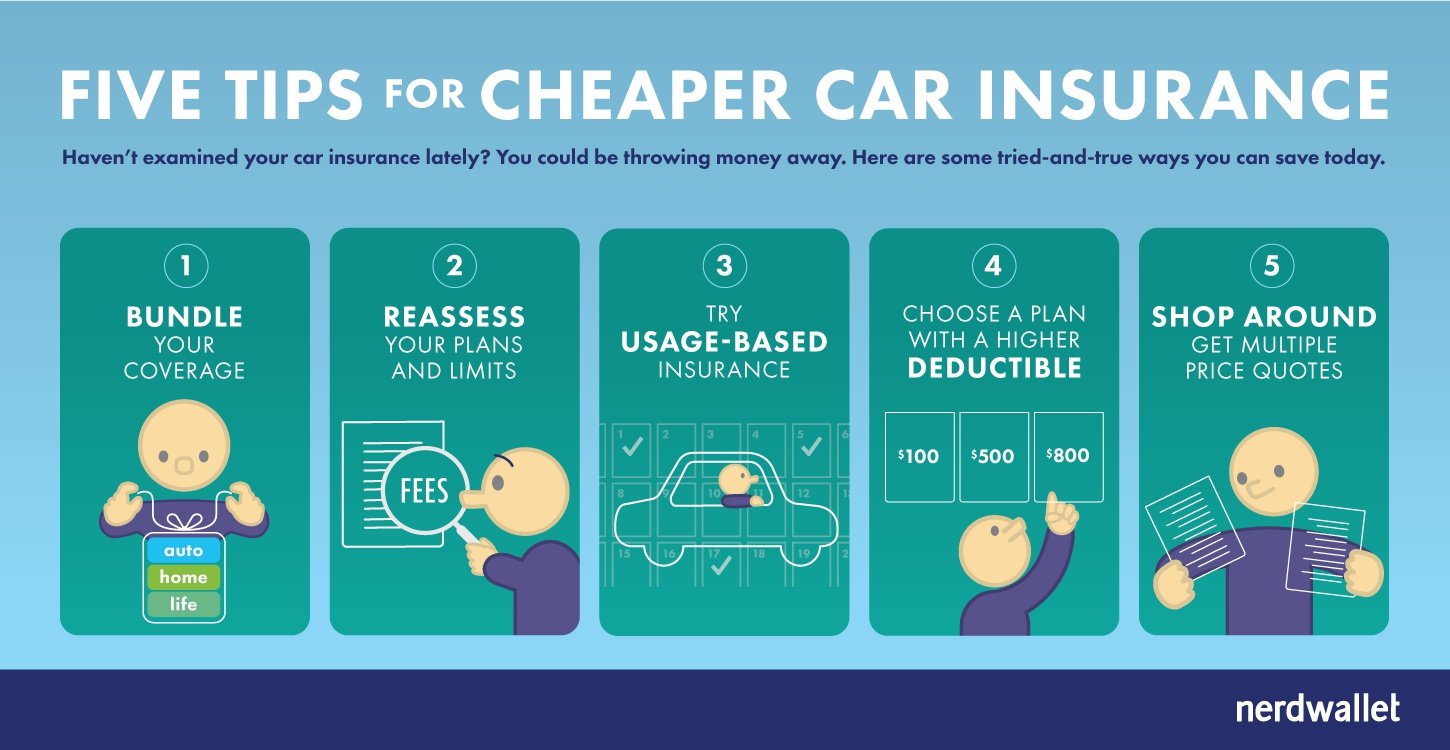
If you have a $3,500 deductible, you will be accountable for paying the very first $3,500 of medical expenditures out-of-pocket annually, before your insurance coverage supplier begins to cover a percentage of the expense. A is a flat amount you should pay out-of-pocket for a covered service. In many cases, copays do not count towards meeting your deductible. how much insurance do i need.
is the portion of medical payments you are accountable for paying out-of-pocket after your deductible is satisfied. Your insurance coverage company will pay the remaining percentage. If you have a 20% coinsurance, your insurance coverage company will pay 80% of covered medical expenses after your deductible is met, and you will pay the remaining 20% out-of-pocket.
Note: Inspect your medical insurance policy to see precisely which out-of-pocket payments are counted towards your out-of-pocket optimum. If your annual out-of-pocket maximum is $3,000, you will no longer be required to pay coinsurance for the rest of the year after you make a total of $3,000 in certifying, annual out-of-pocket payments.
The enabled quantity is typically lower than the provider's basic rate and is the optimum an in-network supplier is permitted to charge for a covered service.: The health associated services or products covered by a health insurance coverage policy (see: covered services). Obama care strategies should all cover 10 minimum necessary health advantages.
The Ultimate Guide To What Is Policy Number On Insurance Card
A demand sent out to the insurance provider detailing the health services rendered and asking for payment from the company for those services. Claims might be sent directly by the health care company to the insurance provider (this is normally the case) or by the patient. Covered services: Healthcare services, prescription drugs and medical devices that are covered by your health care plan.: Medical procedures, health services or items not covered by a medical insurance strategy, such as cosmetic surgery.: A set of 10 healthcare advantages developed by the Affordable Care Act that all insurance coverage providers should use on all insurance coverage plans.: An income level set each year by the Federal federal government that is used as a threshold when figuring out eligibility for particular federal government services.: A list of prescription medications an insurance coverage will cover, including both name-brand and generic drugs.: Tax-exempt savings accounts utilized to pay for healthcare expenses related to qualifying high deductible insurance plans.
You will pay lower rates when using an in-network service provider than an out-of-network company. The optimum amount an insurer will spend for benefits throughout your lifetime. Changes to health care under Obama no longer permit insurance providers to set lifetime maximums for "essential" health services. Annual Open enrollment: The time duration you have for registering for medical insurance.
Some medical insurance prepares require a referral from a PCP in order for sees to specialty service providers to be covered (see: specialized service provider).: A restricted window, generally 60-days, throughout which those who experience certain qualifying life occasions can enlist in health insurance outside of the Annual Open Registration Duration. Specialty companies concentrate on (or concentrate on) a particular branch of medicine.
Health care plans frequently have greater copays for sees to specialized companies and need referrals from medical care doctors prior to specialized services are covered (see: primary care provider). When a health problem or injury needs instant care but is not life threatening. Check outs to urgent care facilities generally take place beyond typical doctor service hours, or in cases where a prompt visit is not offered.
Top Guidelines Of How Much Is Private Mortgage Insurance
Disclaimer: This is only a short list of medical insurance terms, and is not all-encompassing. The specific definitions for the health insurance terms above might vary from the terms and definitions offered in your medical insurance policy. This glossary is meant to be educational in nature and does not supersede policy-specific health insurance coverage terms or meanings.
Your health insurance coverage deductible and your monthly premiums are most likely your 2 largest health care expenditures. Despite the fact that your deductible counts for the lion's share of your healthcare spending budget plan, comprehending what counts towards your health insurance coverage deductible, and what does not, isn't easy. The style of each health insurance determines what counts towards the health insurance coverage deductible, and health plan designs can be infamously complicated.
Even the very same plan might alter from one year to the next. You require to check out the fine print and be smart to comprehend what, exactly, you'll be anticipated to pay, and when, precisely, you'll have to pay it. Mike Kemp/ Getty Images Cash gets credited toward your deductible depending upon how your health strategy's cost-sharing is structured.
Your health insurance coverage might not pay a cent towards anything however preventive care up until you have actually met your deductible for the year. Before the deductible has actually been fulfilled, you spend for 100% of your medical expenses. After the deductible has actually been fulfilled, you pay only copayments (copays) and coinsurance till you meet your strategy's out-of-pocket maximum; your medical insurance will get the rest of the tab.
Indicators on How To Apply For Health Insurance You Need To Know
As long as you're using medical companies who are part of your insurance coverage strategy's network, you'll just have to pay the amount that your insurer has negotiated with the providers as part of their network agreement. Although your doctor might bill $200 for an office go to, if your insurance provider has a network agreement with your medical professional that requires workplace check outs to be $120, you'll just have to pay $120 and it will count as paying 100% of the charges (the medical professional will need to write off the other $80 as part of their network contract with your insurance strategy).